Installing Guarding Systems Around Conveyor Belts: Best Practices
Safety guarding helps protect workers from pinch points and other conveyor system hazards. Learn more about best design practices for conveyor guards.
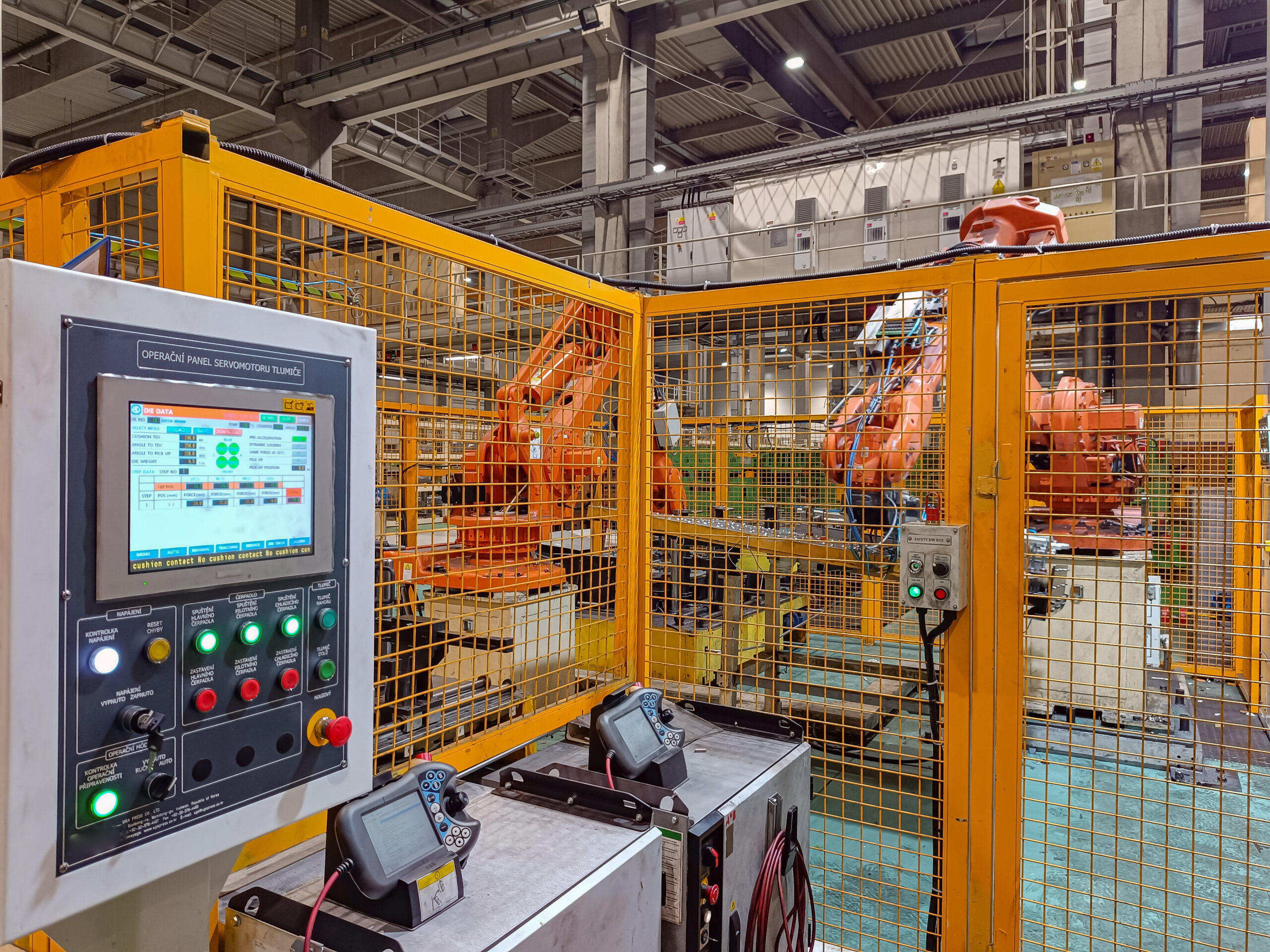
We don’t need to tell you that safety is a top priority when designing and implementing robot systems. Whatever systems you implement must be designed to mitigate the risks associated with your specific facility as identified in your risk assessment.
Fixed systems are standard in the robotics industry and have been used with industrial robots for decades now. However, the robotics and automation industry continually evolves, bringing newer technologies. There are now modular, scalable safety systems designed to support dynamic production environments that need better future-proofing.
These adaptive systems are interesting to say the least, but are they the right call for your facility?
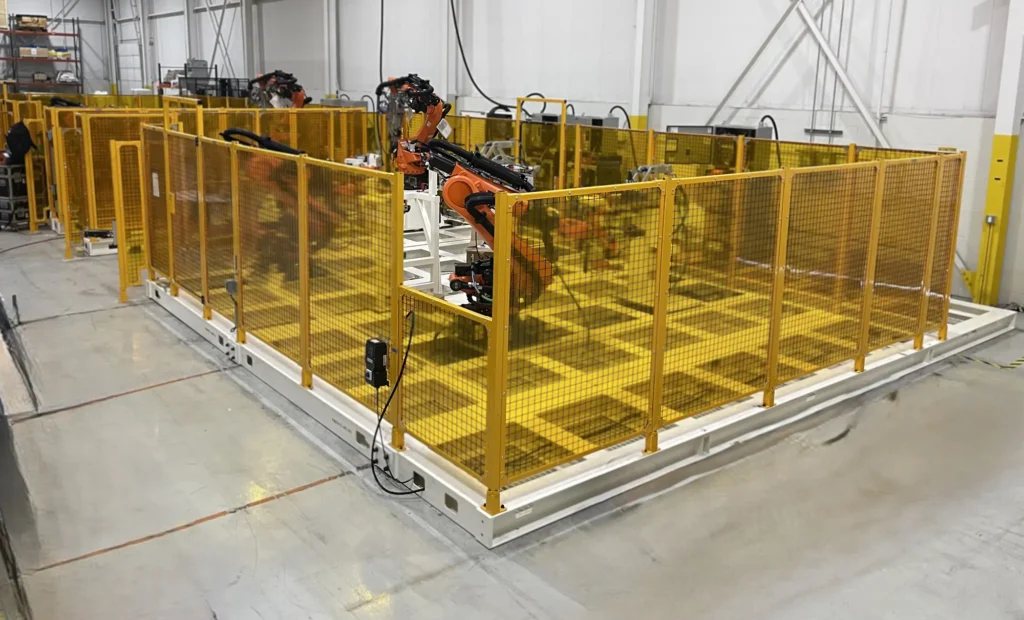
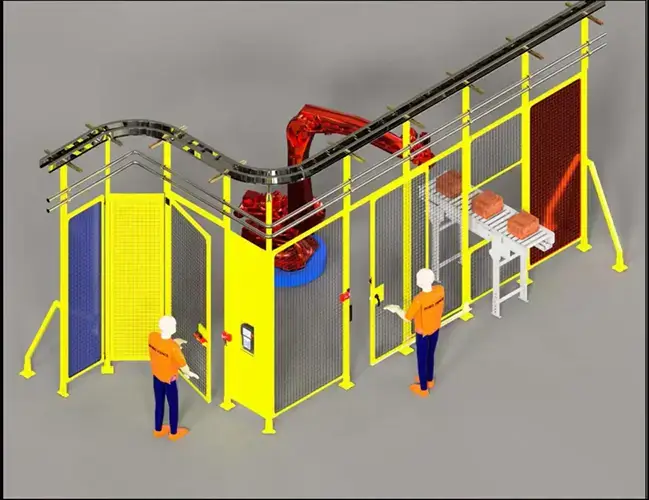
Fixed robotic safety systems consist of fences, panels, and gates that form a fixed assembly. The fixed assembly can also include floor or pressure mats, light curtains, and area scanners.
As the name implies, fixed systems are physically fixed in the areas they protect. In most cases, this means the entire robot’s work envelope is guarded, regardless of what the robot is actually working on.
Fences and gates provide a physical barrier that stops access into the robot cell. Mats, curtains, and scanners work differently, shutting down robot operations when someone enters a hazardous area.
Many robotic systems combine these approaches to provide high levels of protection while also enabling ease of access to maximize productivity.
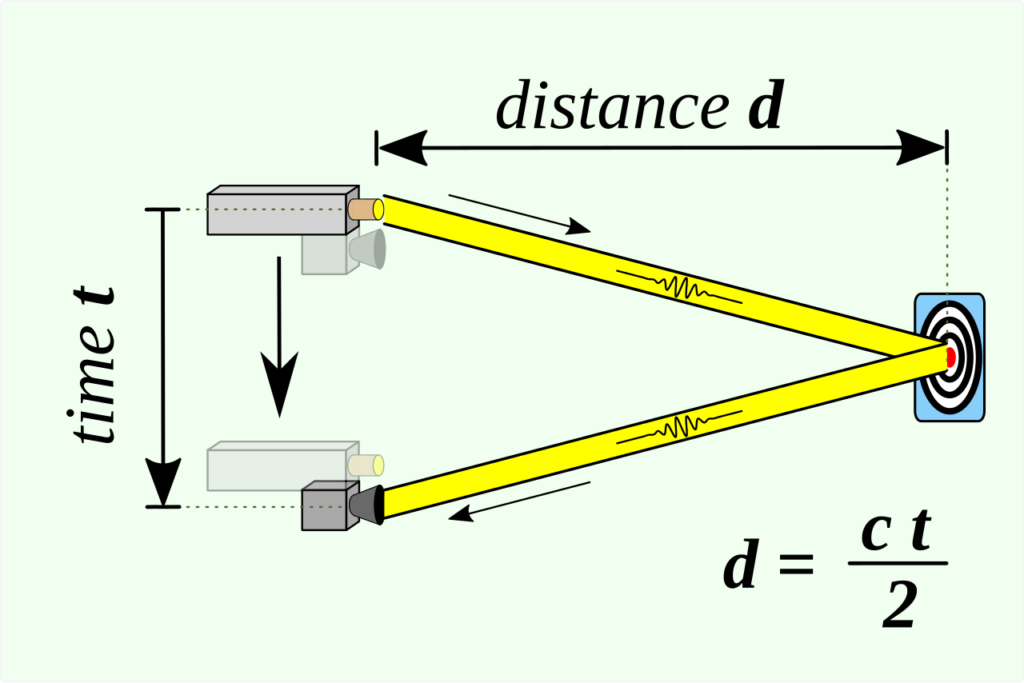
An adaptive or dynamic safety system creates a bubble around the robot where proximity to human workers is monitored. These systems use advanced sensors like Time-of-Flight (ToF), stereo cameras, or laser scanners to detect humans close to the robot.
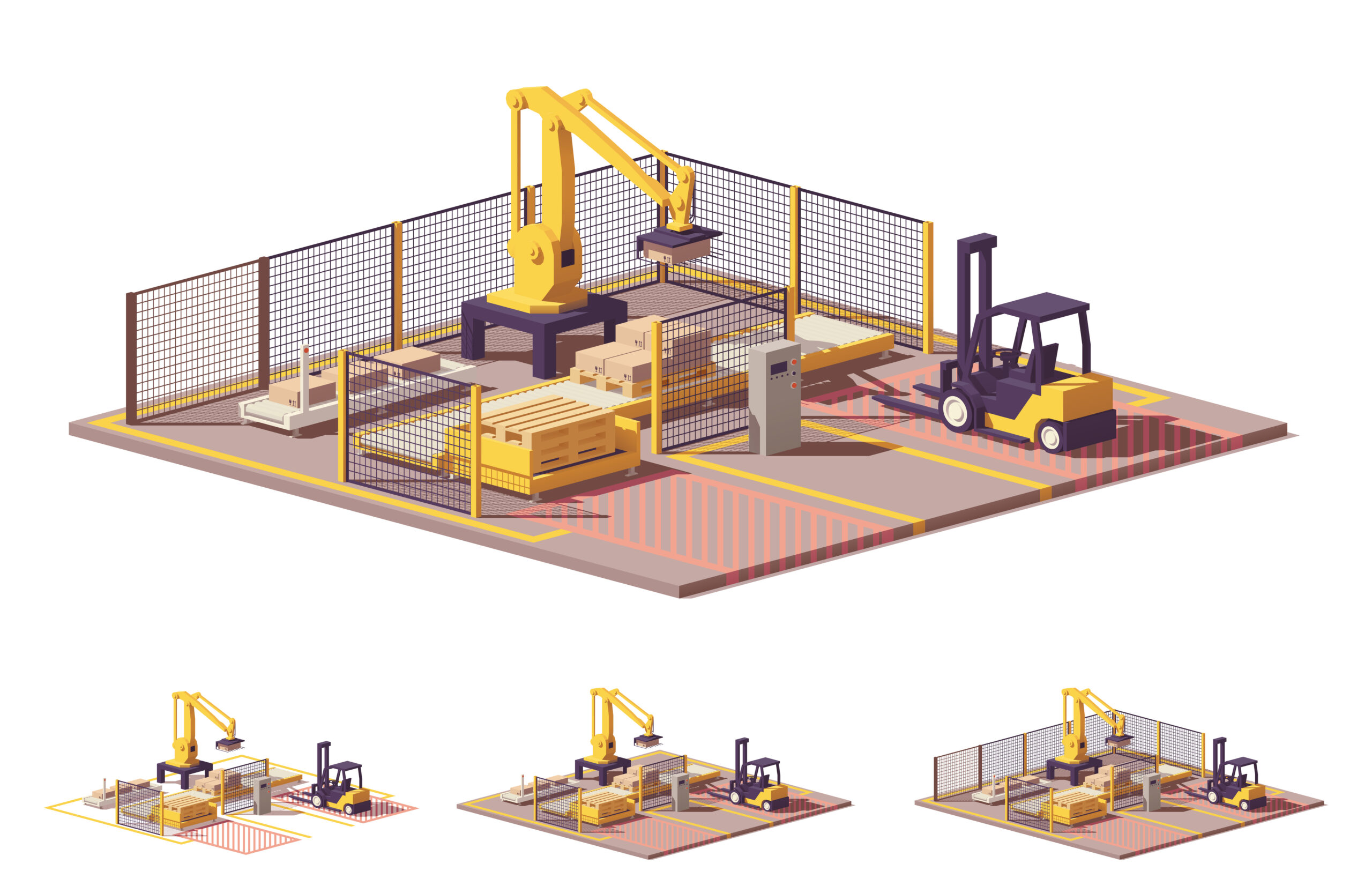
Typically, the robot is allowed to run at full speed when the human is more than a set distance away. The robot slows as the human-to-robot gap becomes smaller. As the gap continues to narrow, the robot eventually stops. These defined safe, slow, and stop areas can move with the robot, and visual indicators can show workers where they are.
While pure adaptive systems don’t include physical barriers, it’s entirely possible for a facility to take a hybrid approach by incorporating advanced technology with traditional fencing.
Gates and fence panels play important roles. They are the foundation of fixed systems, but can also be incorporated into a dynamic system if facilities want to take a hybrid approach.
As physical barriers, they establish a safety perimeter, prevent objects from leaving the robot work area that could be hazardous, and stop people and equipment, such as forklifts or pallet trucks, from getting too close. Other benefits include simplifying maintenance, providing access to defined locations, and enabling monitoring and control. Gates can also be interlocked using presence-sensing, trapped keys, or other LOTO techniques to further enhance safety.
Both safety systems have value, but this value will vary based on your facility’s requirements and the risks you’ve identified during your assessment. When you’re choosing between these systems, ask these critical questions:
Speed of response is a significant consideration in adaptive/dynamic robotic safety systems. Some modern robots can reach speeds up to 5 m/s (16 ft/s), so a dynamic system must be able to shut down the robot quickly enough to avoid any human impact.
Robots capable of applying very high forces offer similar challenges. Momentum can increase stopping time, so the system must be designed accordingly. Additionally, handling high-speed and high-force challenges in an adaptive system can require generous slow and stop zones.
Adaptive/dynamic systems increase productivity when humans are working collaboratively with the robot or robots. Conversely, if the robotic system is performing tasks that need minimal human interaction, fixed systems may be more robust and cost-effective.
If humans are going to work next to a functioning robot, they will want a very high level of confidence in the system’s ability to stop in every possible scenario. This requires rigorous validation of technically complex systems. If considering adopting adaptive/dynamic safety, it’s essential to have competent implementation and testing specialists on hand.
An adaptive or dynamic system requires frequent inspection and regular maintenance to ensure it continues operating as designed. Sensors and the work environment need cleaning, and programs must be adjusted to handle any changes in cell organization.
Performing maintenance on the robotic system can also be more complex, as robots must be put into safe modes but possibly powered up and stepped through their programs to assess any problems. Collectively, these factors can leave a busy maintenance team yearning for a fixed system!
Every industrial operation (and the robotic systems designed for them) is different. Instead of taking chances on your design, work with an expert who can help you ensure workplace safety and process efficiency.
ROBO FENCE®, powered by Square Group LLC, has over 40 years of combined industry experience in the safety industry. If you need help designing a safety system for your facility, we can provide design guidance and recommend solutions to mitigate the risks you’ve found in your assessment.
Visit our website to learn more about our products, or contact us today to talk about your project.
Contact one of our experts to get started on your next machine guarding project. Until then, browse our complete catalog to see our offerings.

Square Group LLC
Proud Manufacturers and Suppliers of ROBO FENCE®